Sweaty Park Rats
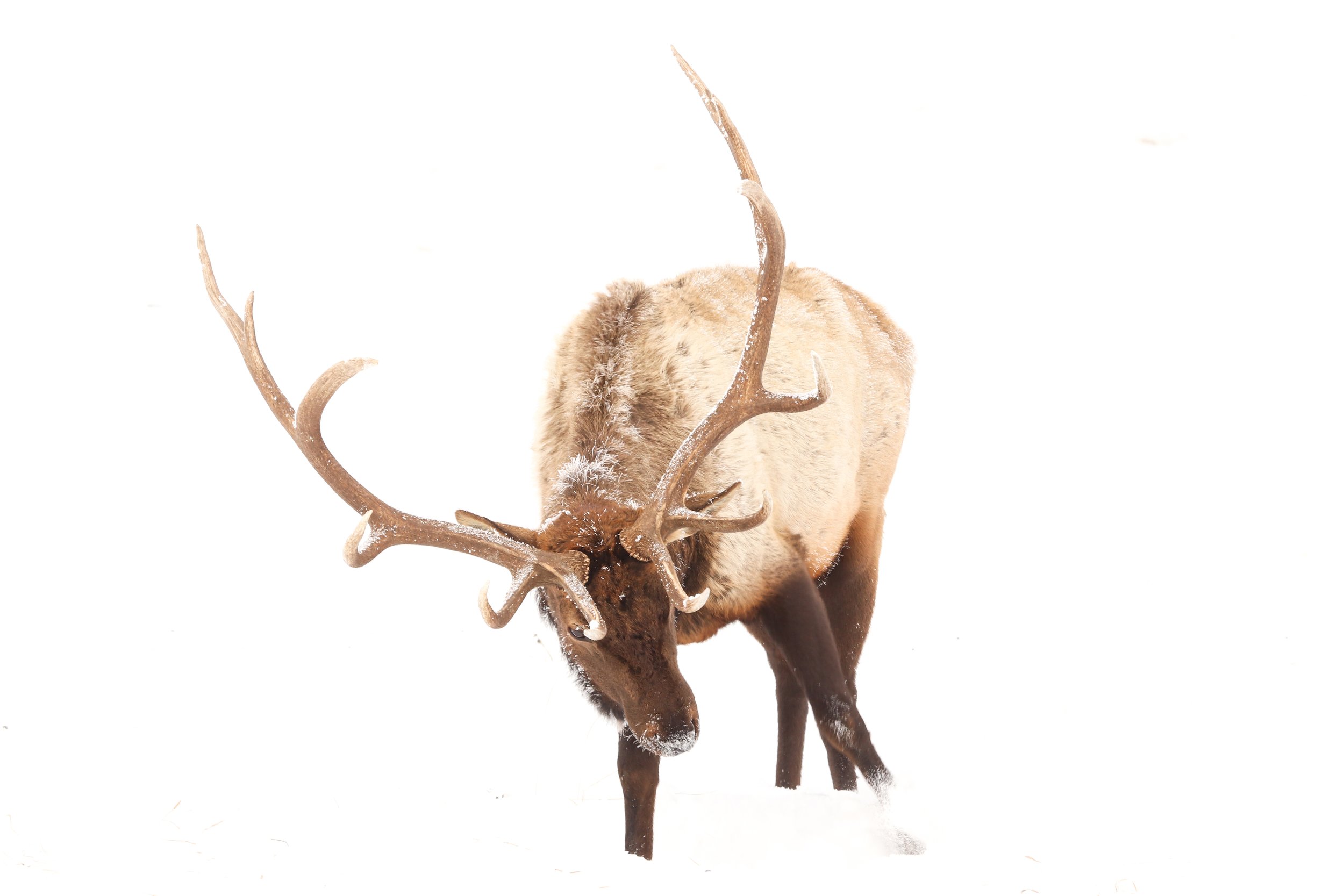
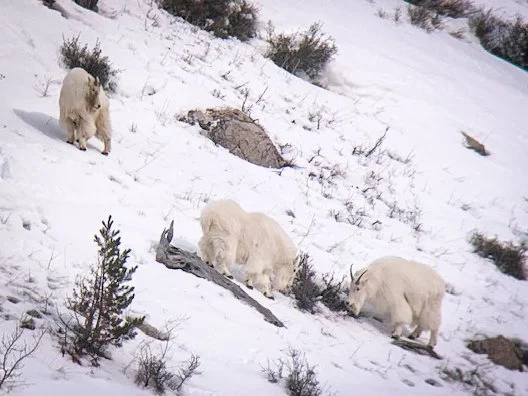
This week started off on a multi-day wildlife tour through Grand Teton and Yellowstone National Parks. Which for me is exciting because I get to spend two nights in Montana. Damn the air feels different when I cross that state line. I love Montana. Besides filling my body’s deep needs for desert mountain biking and climbing in the Southwest, I don’t see why I would ever have to leave Montana and Wyoming. We saw tons of critters on this trip including very close mountain goats - a highlight for sure.
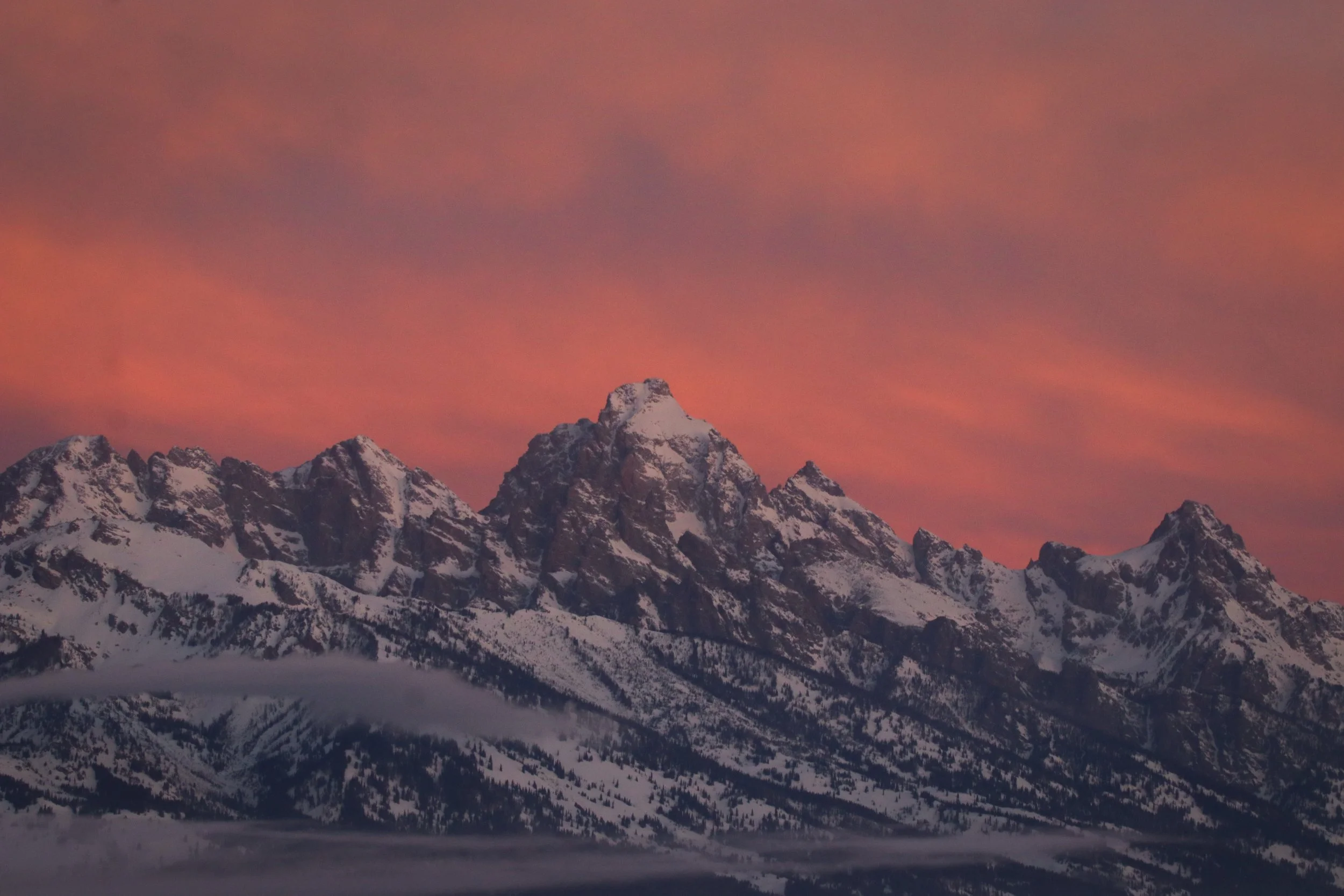
Jackson’s state of high pressure air continued. This created an unusual week of skiing for late January. We’d be skiing low-angle safe terrain if January was puking on us. It’s not.
That’s alright, however, for two reasons. One - February always detonates on us. I’m not worried. Plus I just took a shot of ULLR while writing this. Two - we can currently ski gnarly lines in the park that we normally save for spring when avalanche conditions drop. It’s spring mountaineering season in January!
Thus, we became park rats this week. That term is normally reserved for the pit-viper rockin’, baggy pants wearin’, shredders that lap the terrain parks all day with an ear bud hanging out their beanies. I am not knocking those guys - they send! If I could do a quarter of the things they perform in the air or on a rail I’d be stoked. But I also like my bones in place and minimal hospital bills.
When I say park rats here I mean a backcountry obsession with Grand Teton National Park. This week’s missions alone involved 24,450ft of vertical ascent.
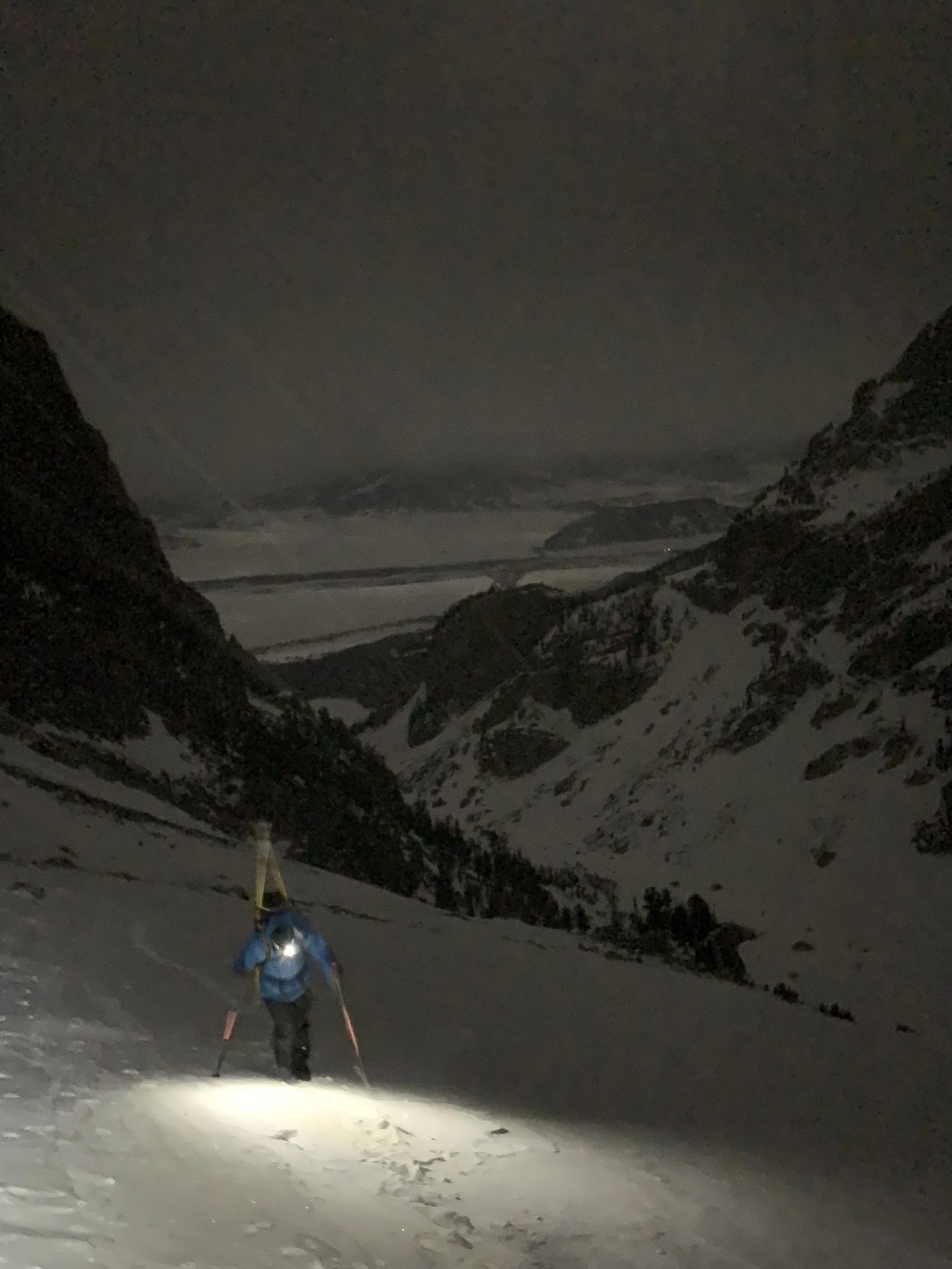
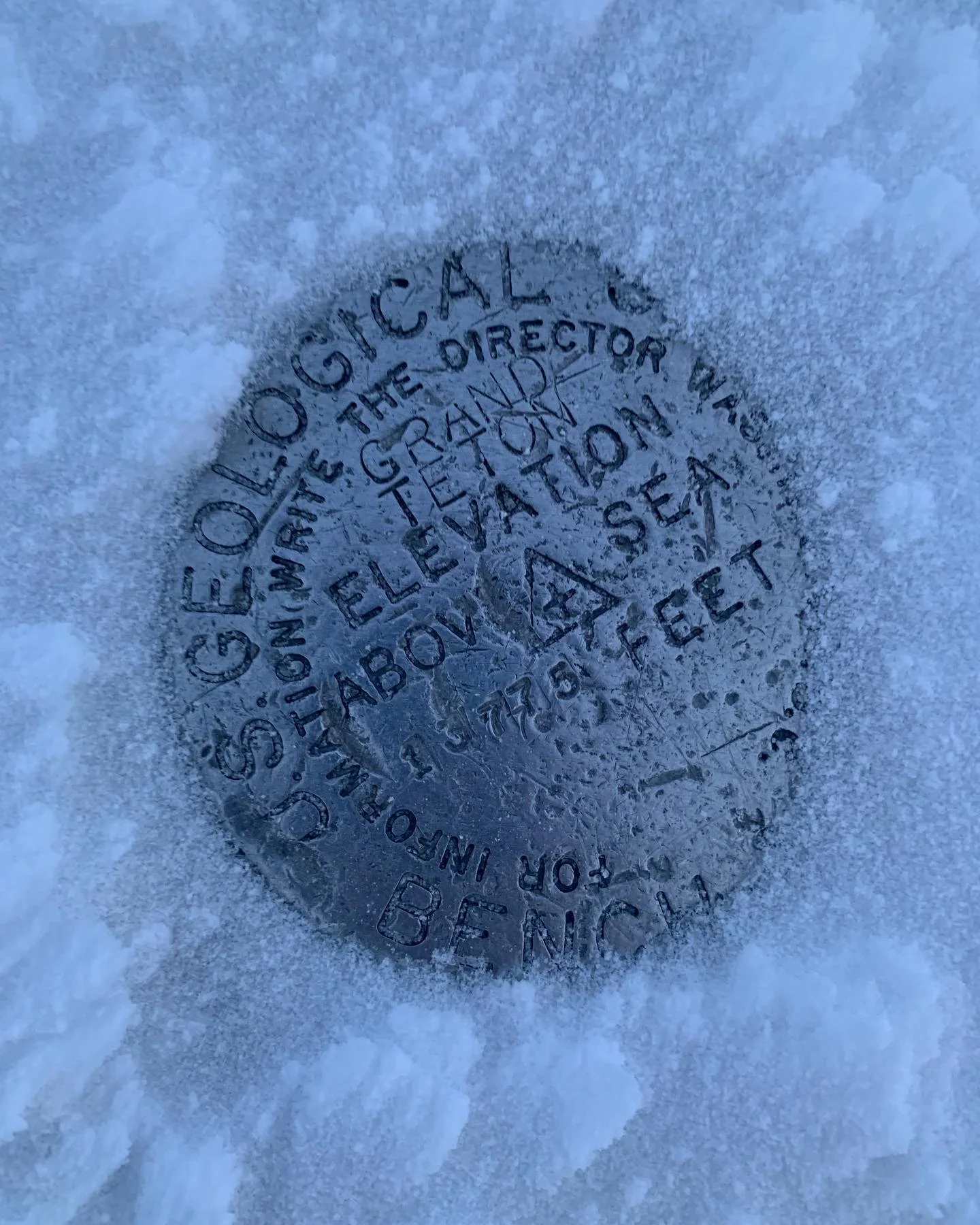
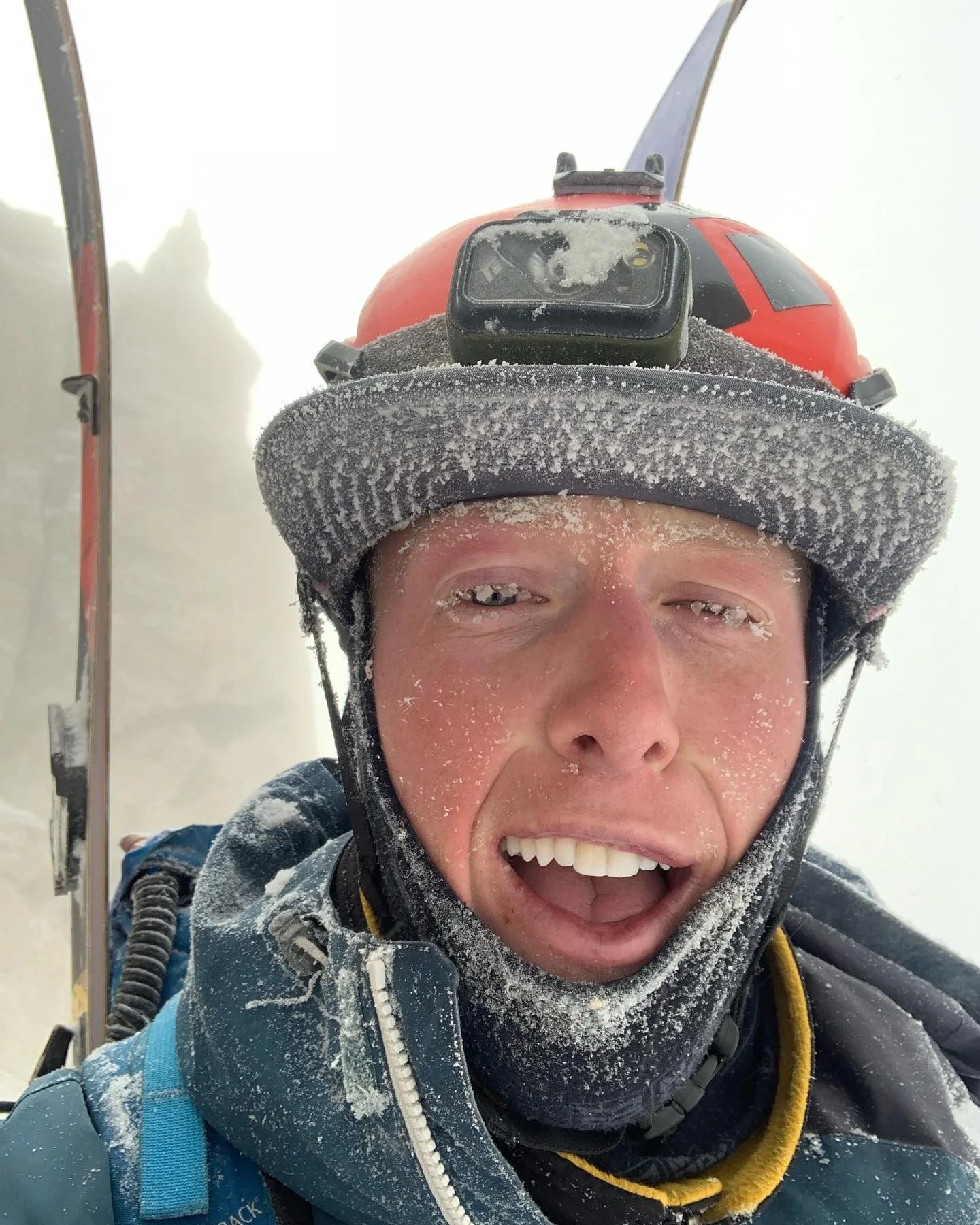
To start, Tanner and I skied the biggest of all the tits - the Grand Teton. If you are not local and that seemed weird to read please look up the meaning of “Tetons”. Then go buy the shirt in town “show me your Tetons”.
The next day Andrew and I ripped up Sliver Couloir on Nez Perce - a dream line in the park that is so aesthetic. And no, we were not involved in the recent sluff-avalanche situation in that couloir. That happened the day after we were there.
So sad and a reminder to beware of others in the backcountry. You feel remote in the park but this town is “sendy” so always expect others. Interestingly, when we skied it we remarked on how thankful we were to be the only ones in such a tight spot.
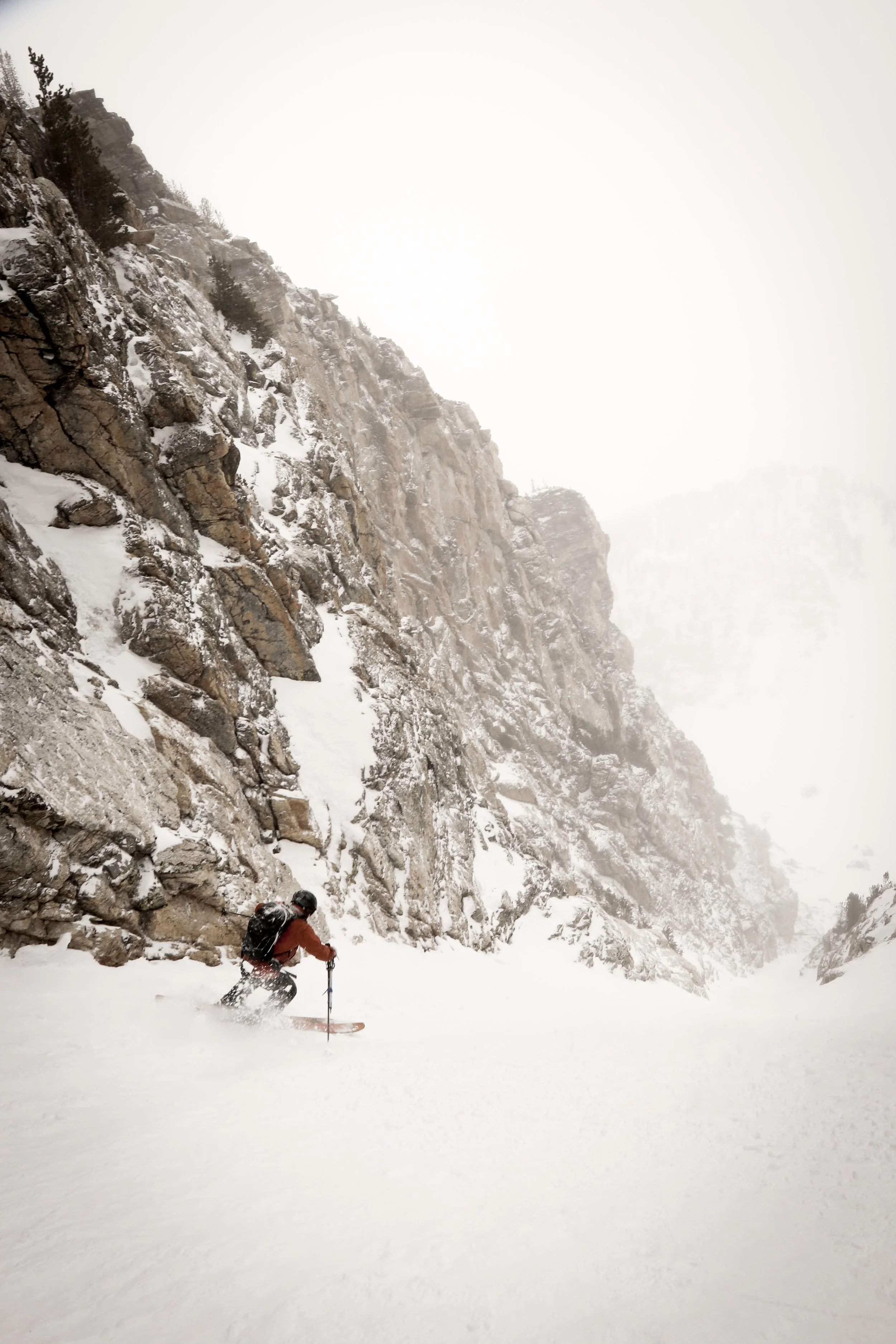
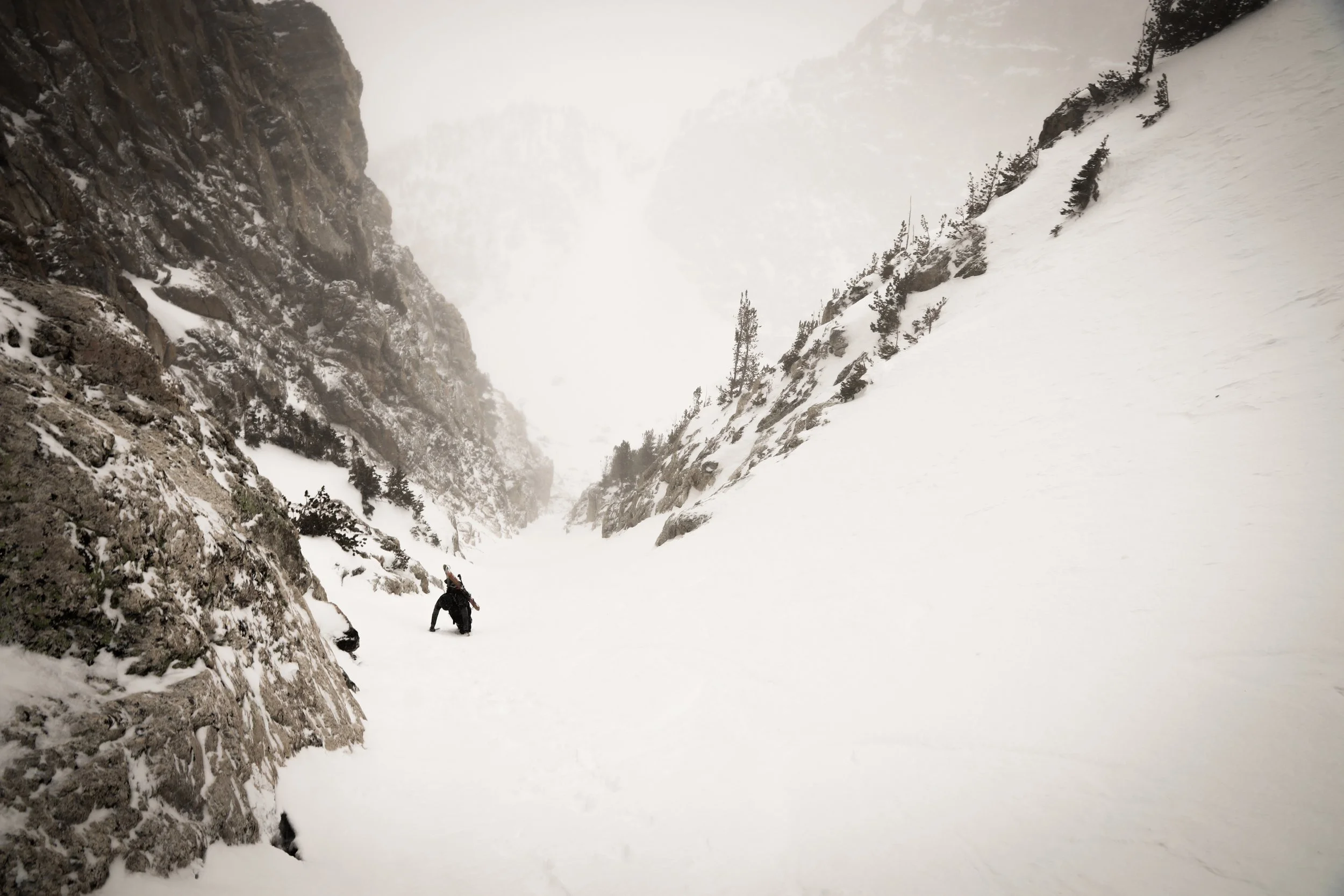
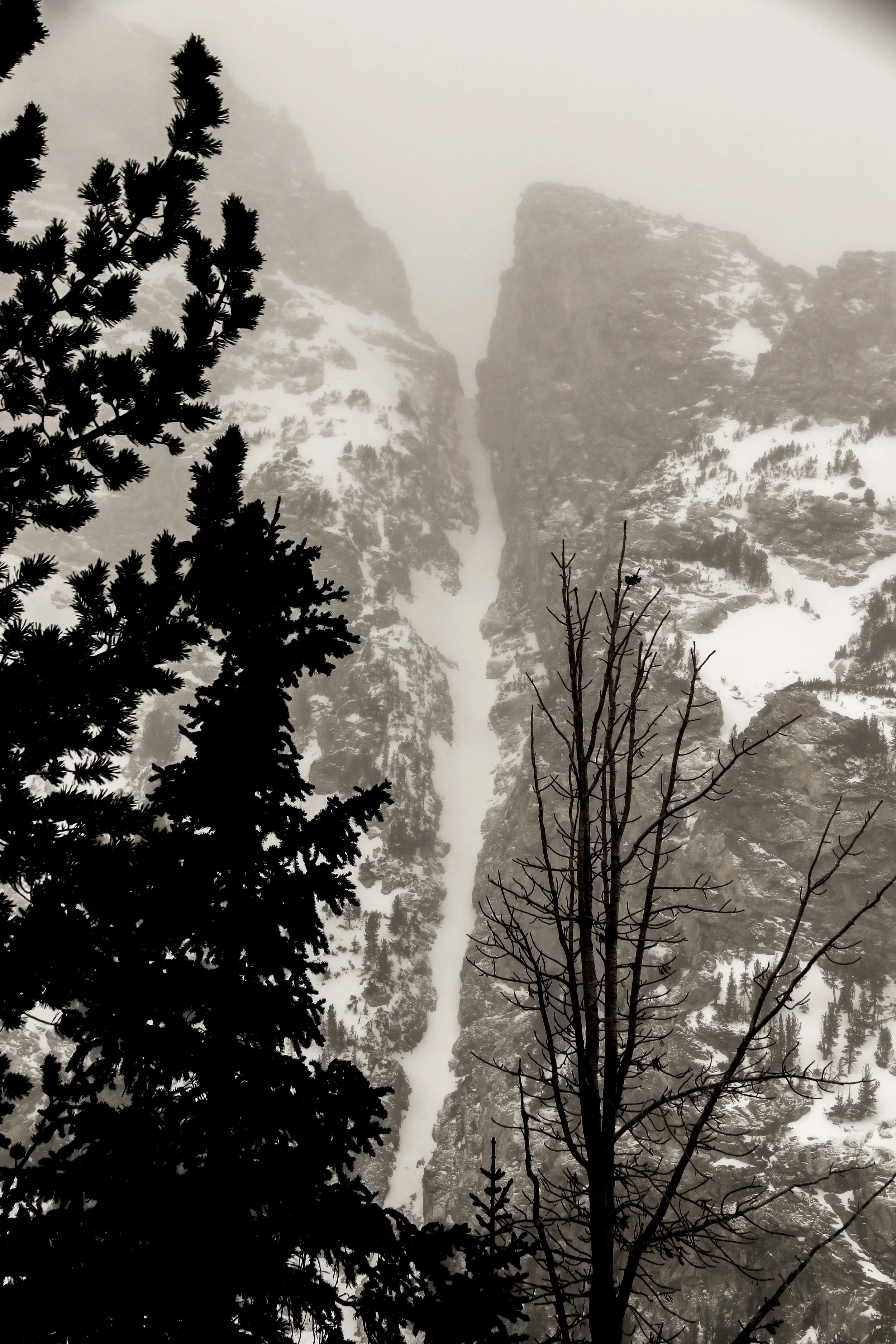
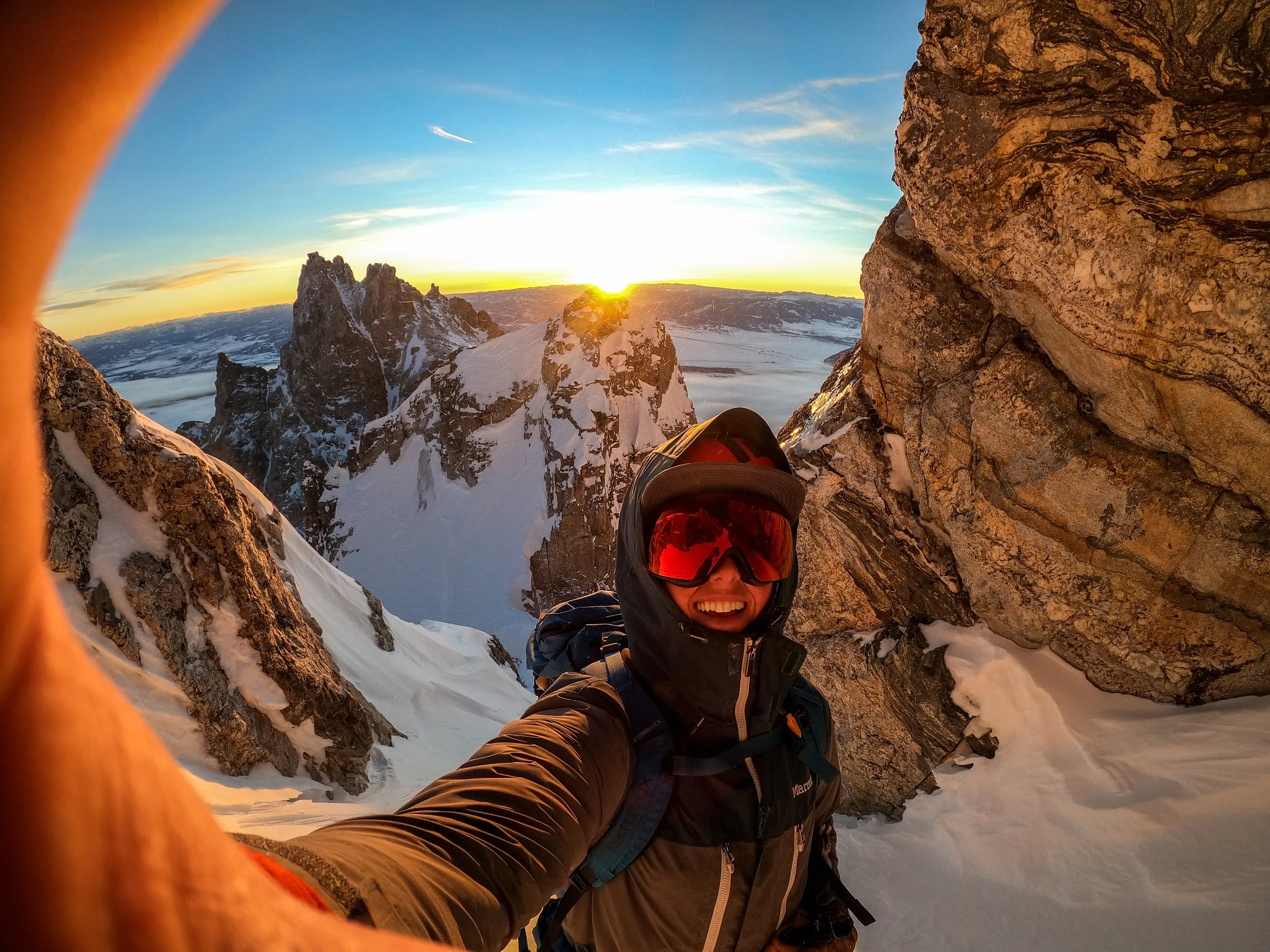
Then, with few tours to occupy my work week, I solo-skied Mt. Owen yesterday. After several runs on the Cathedral and Grand Traverses, Owen quickly became a favorite of mine. Moran is still my favorite mountain but Owen wins for best summit and location in the park. Spend some time around the Cathedral group and you’ll understand why. I’ve read many articles and books where people agree. It’s a special place.
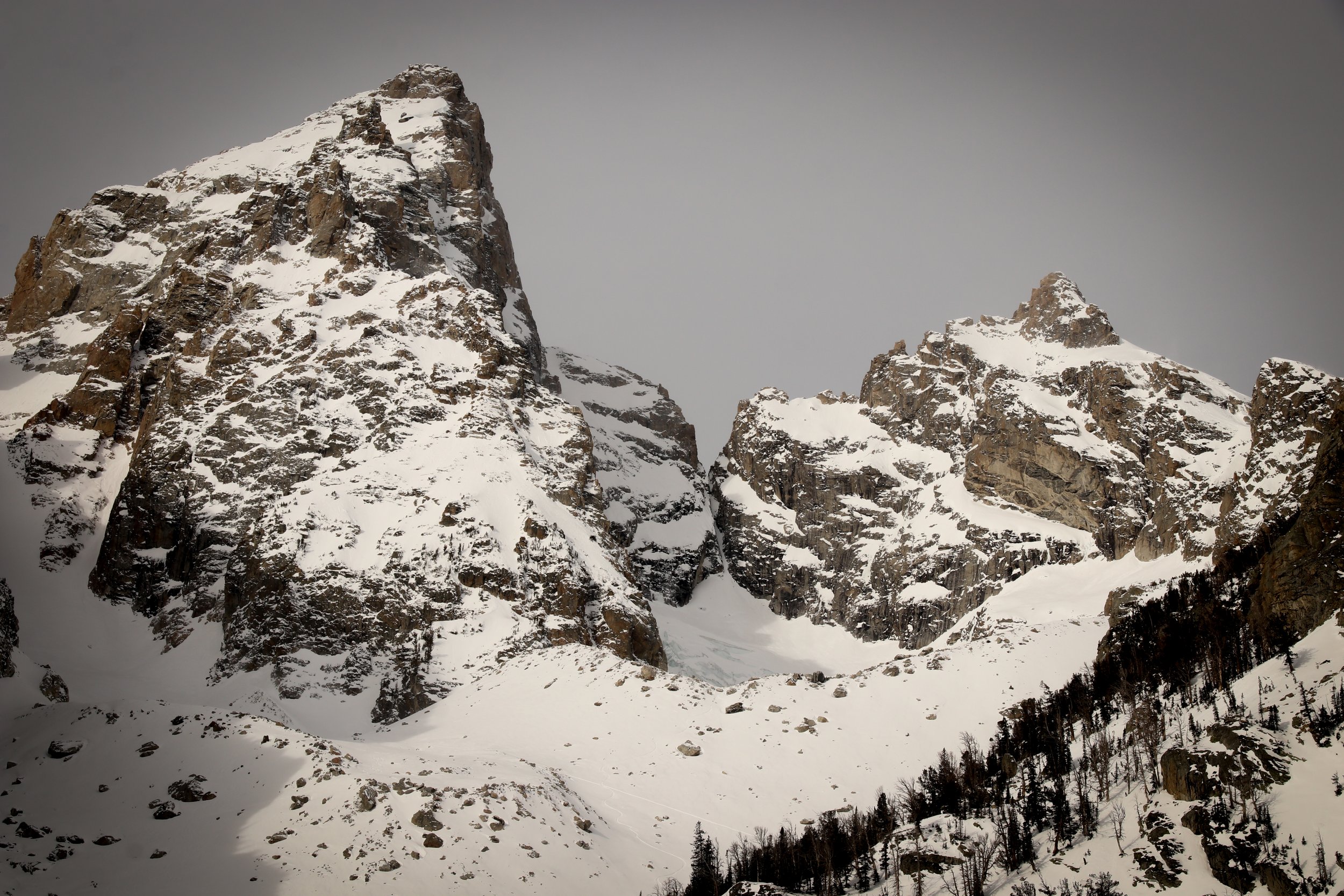
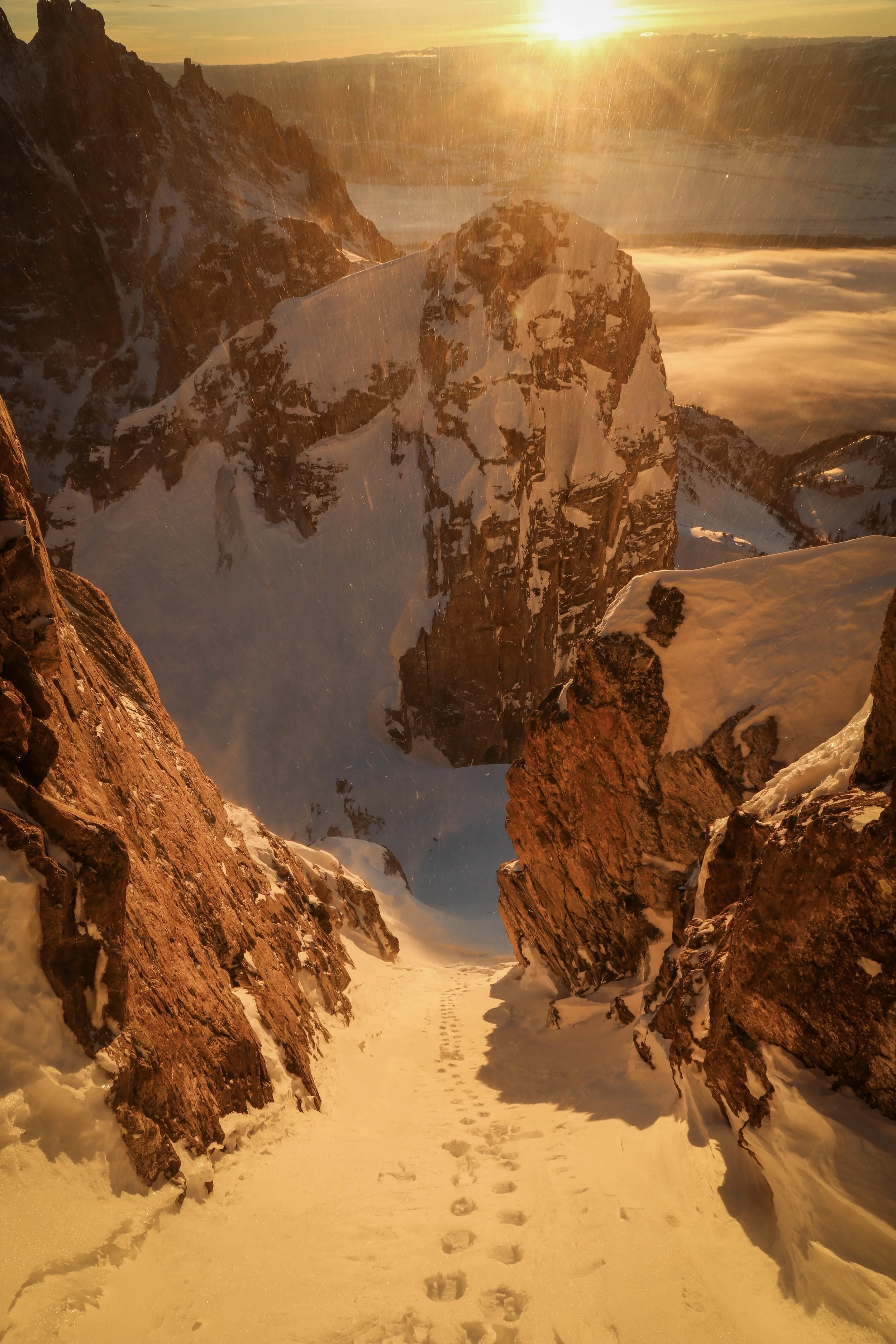
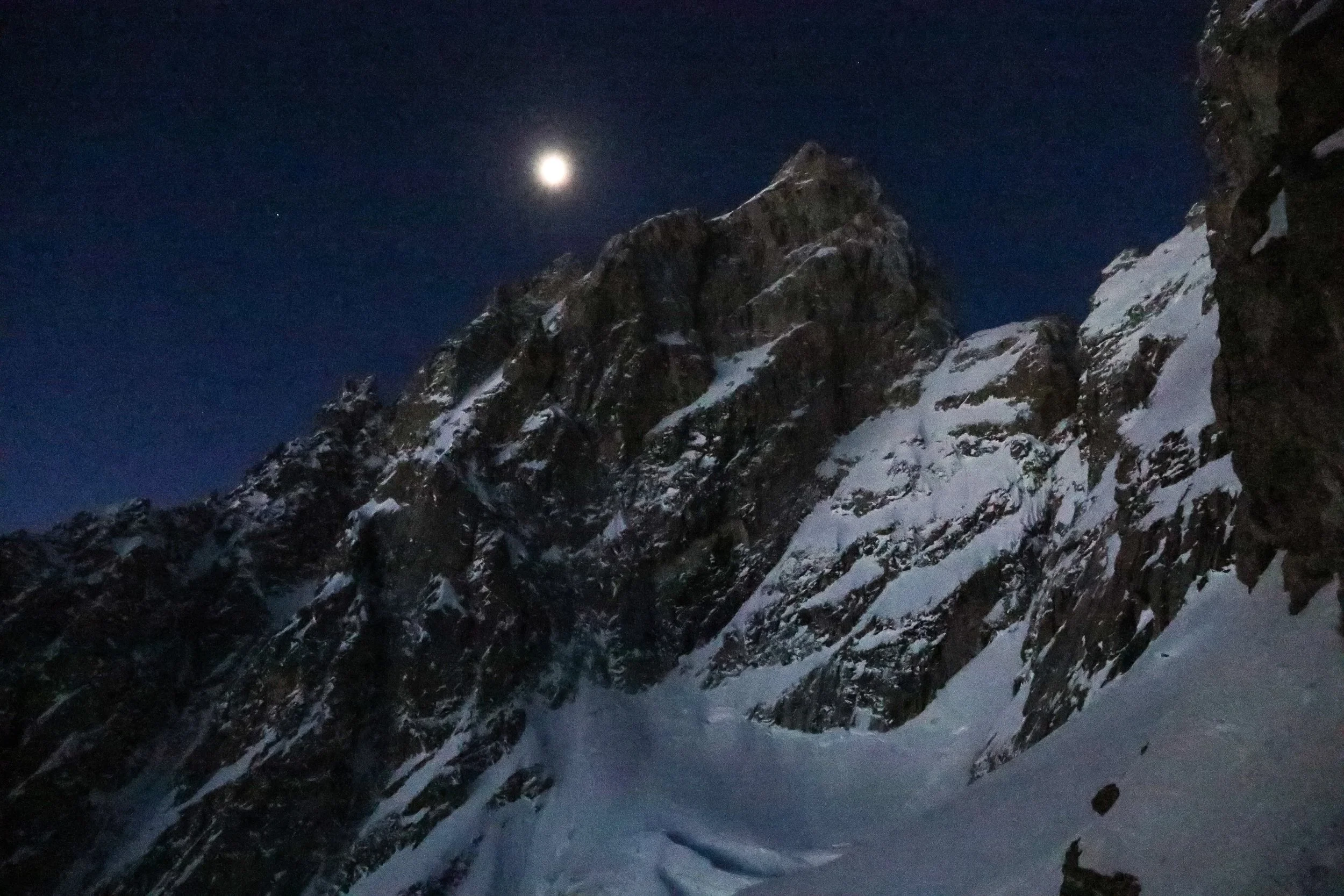
The summer route is easy 4th class scrambling, albeit exposed. Winter is a different story. I tried several times last winter and came to within 200ft of the summit. I was pushed off by storms and scary dry-tooling (ice axes and crampons on rock). I figured yesterday I could find the route. Nature blessed me with a beautiful sunrise, not a single track of another person, and near perfect conditions except the wind.
Howling 50mph+ winds bombarded me the last 1000ft. It was WILD! Honestly I wasn’t complaining. It made for some incredible exposure and butt-pucker conditions that I love. I attempted three new routes I figured might take me to the top. I spent almost 2 hours within 150ft of the summit. Alas, after scary solo dry tooling and shifting snow, I called it and went down. No summit is worth dying over. The rugged exposure, hurricane-like winds, and beauty of that section of the park easily made yesterday one of my all-time favorite alpine experiences.
This week I applied for my Wyoming hunting tags. Wait until hunting season on this blog and you’ll see why it’s one of my favorite ways to interact with the woods. A day doesn’t go by I don’t think about hunting. For tags that aren’t bought “over the counter”, we must apply to hopefully draw these rare, coveted tags. These are usually animals whose populations can’t support significant harvest. Or are premier units for common animals like elk but where Game and Fish manages for a larger age class.

THIS IS CONSERVATION. I won’t go into a huge rant on this but look - I spent $631 to put my name into these “hats”. Before the drawing occurs in several months, the Wyoming Game and Fish Department can invest this money to earn revenue for conservation.
Should I be lucky enough to draw one of these tags they will keep the money I spent for that animal. Chances are though I won’t draw any. When that happens I will get all my money back except a $5-$15 processing fee for each critter.
Think about that - I spend $5-$15 each animal for the amazing opportunity to draw one of these tags. I’m no gambler but that’s worth it to me. Now think about the 1000s of people applying. That racks up a lot of money for the state to put right back into conservation and management of these species. The concept is similar to hunting in Africa - “kill 1, save 1000”.
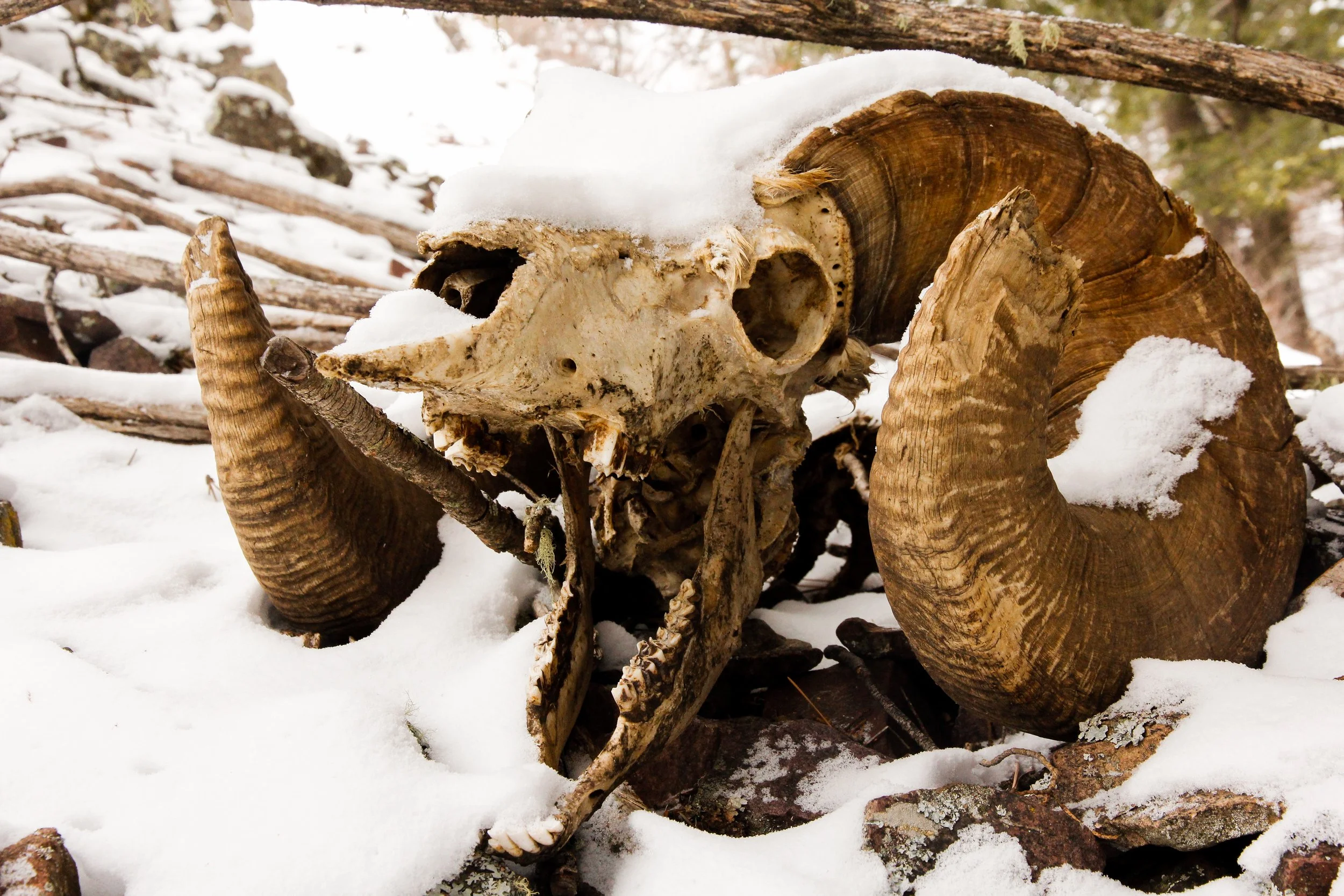
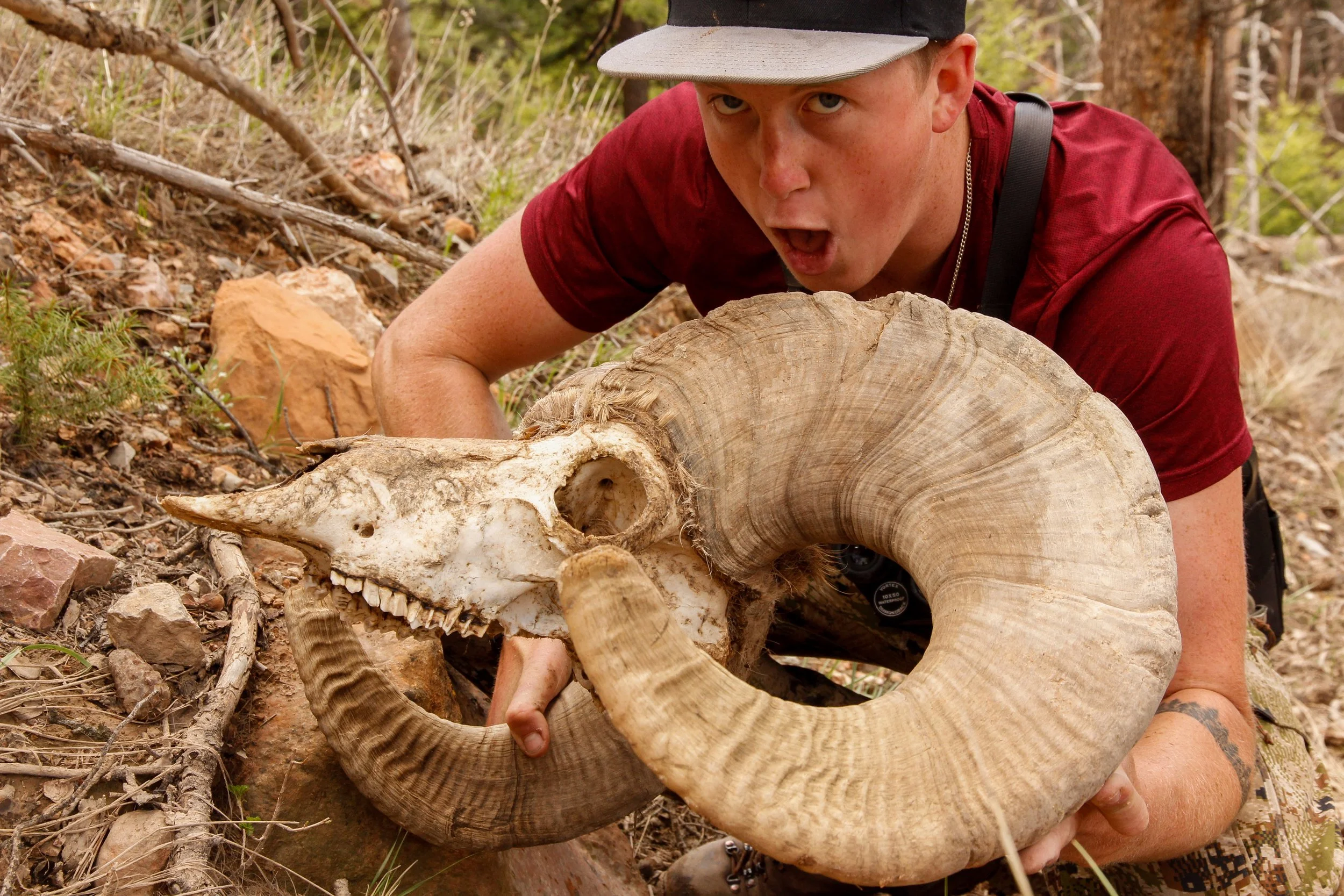
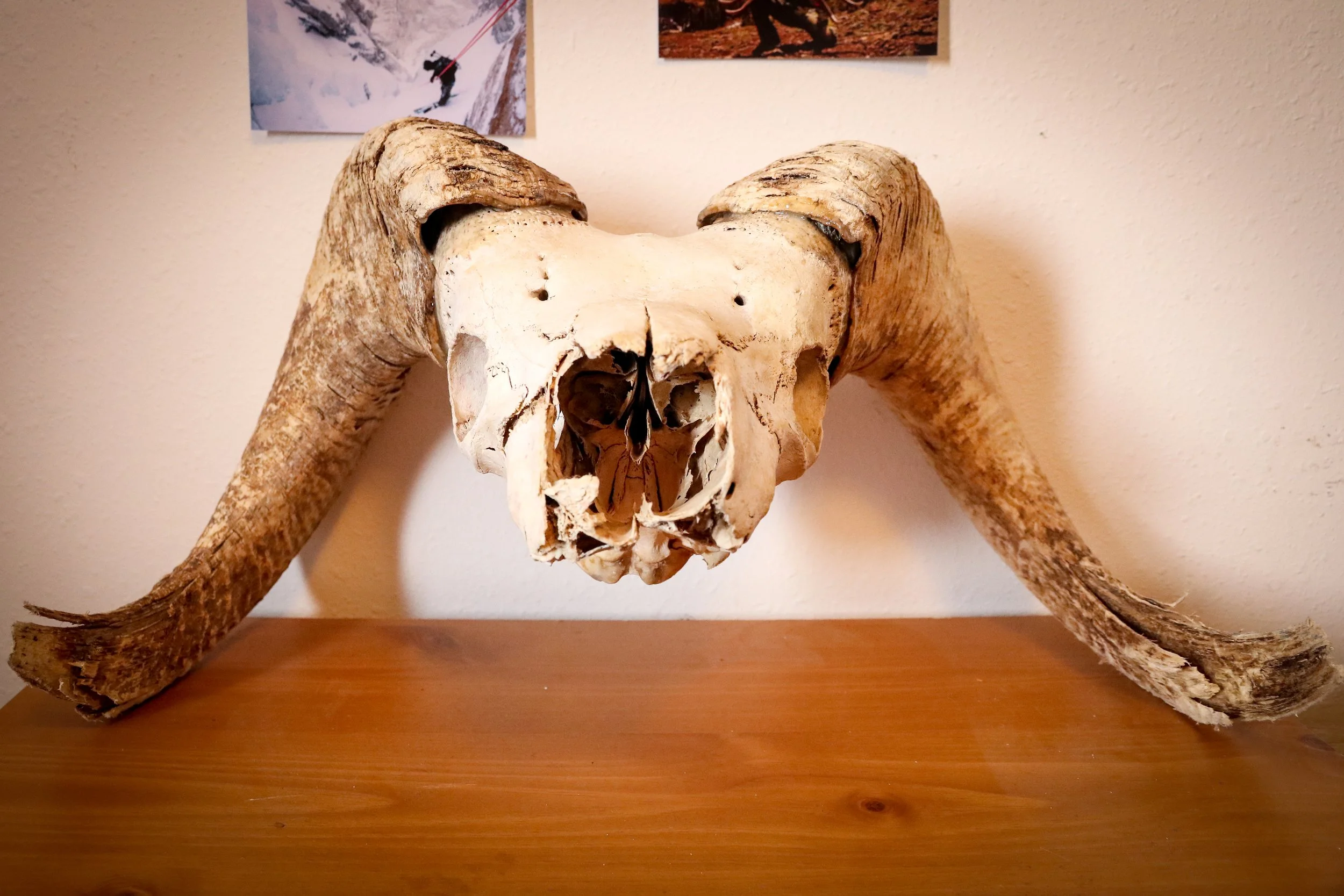
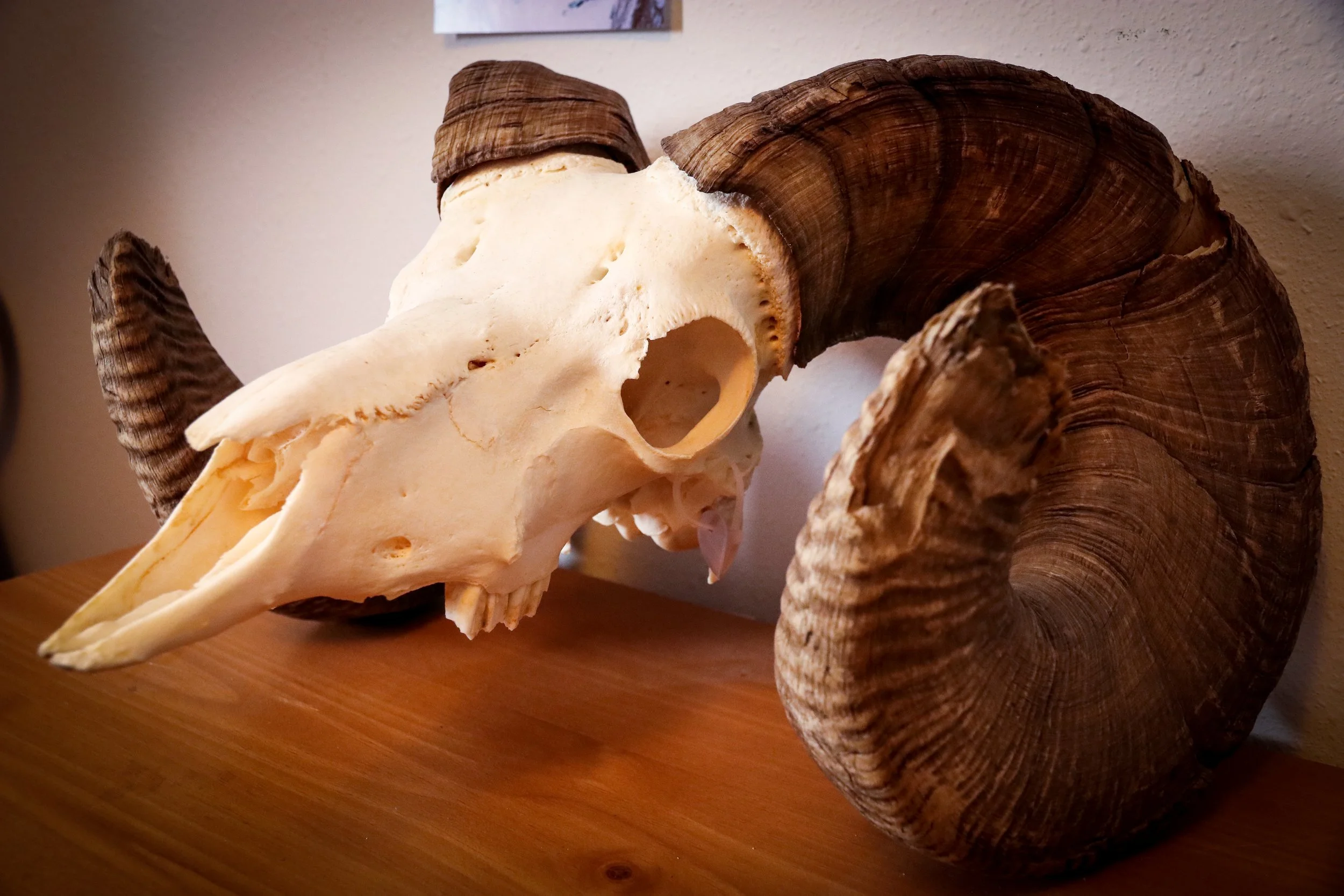
Two years over-due I finally put together my desert ram skull. I’m an odd dude. I like to look for random things nature leaves behind. Usually those are antlers but much more rewarding and hard to find are horns. Horns don’t fall off so to find them the animal must die.
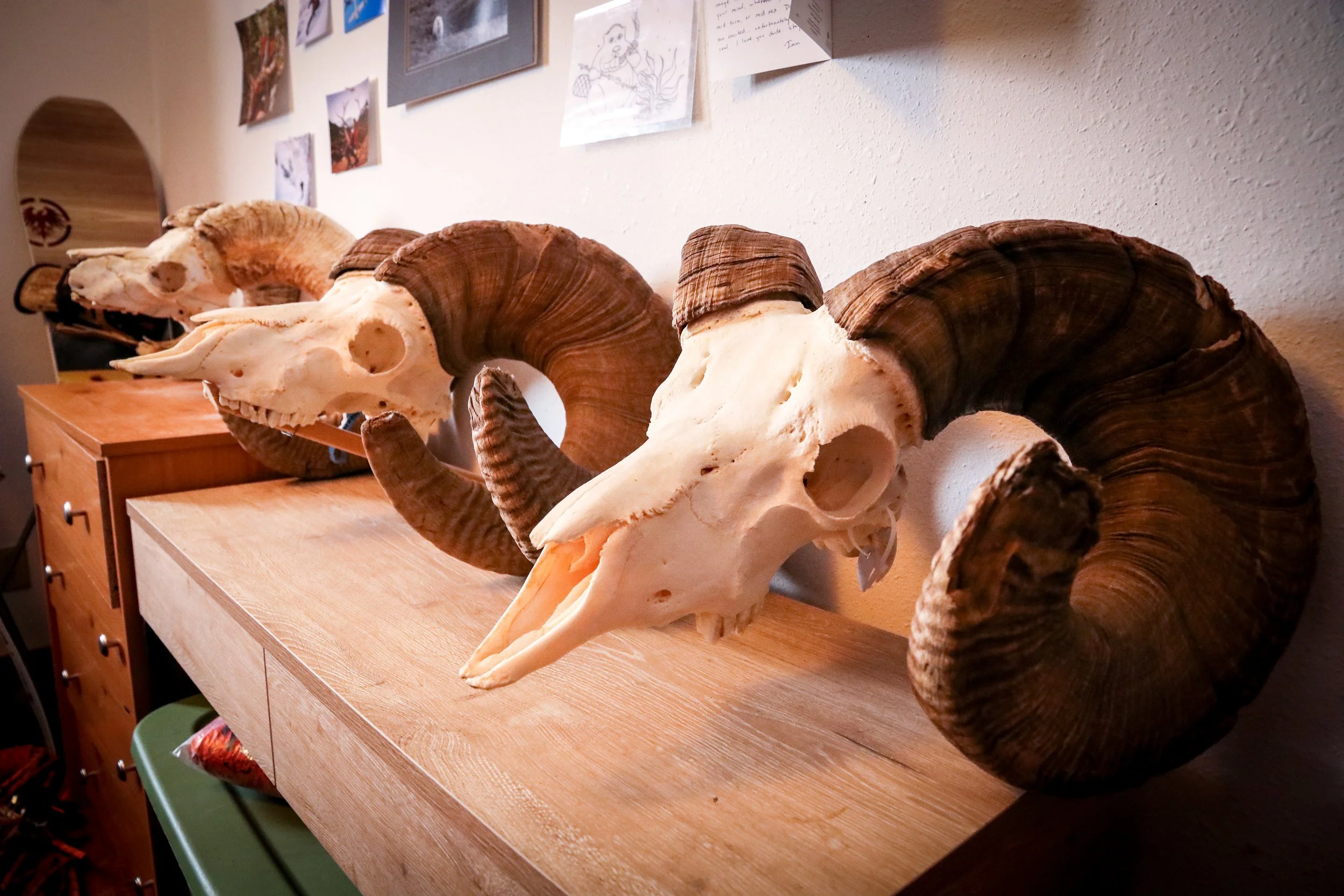
Bighorn sheep leave the “crown-jewel” of all horns. I’ve made it a personal, weird life goal to find the skull and horns of all 4 North American wild sheep - Rocky, Desert, Dall, and Stone. I’ve been lucky enough to find several dead Rocky Mountain rams. Over a year ago I was mountain biking the desert near Las Vegas and decided to spend 6 days looking for a Desert ram.
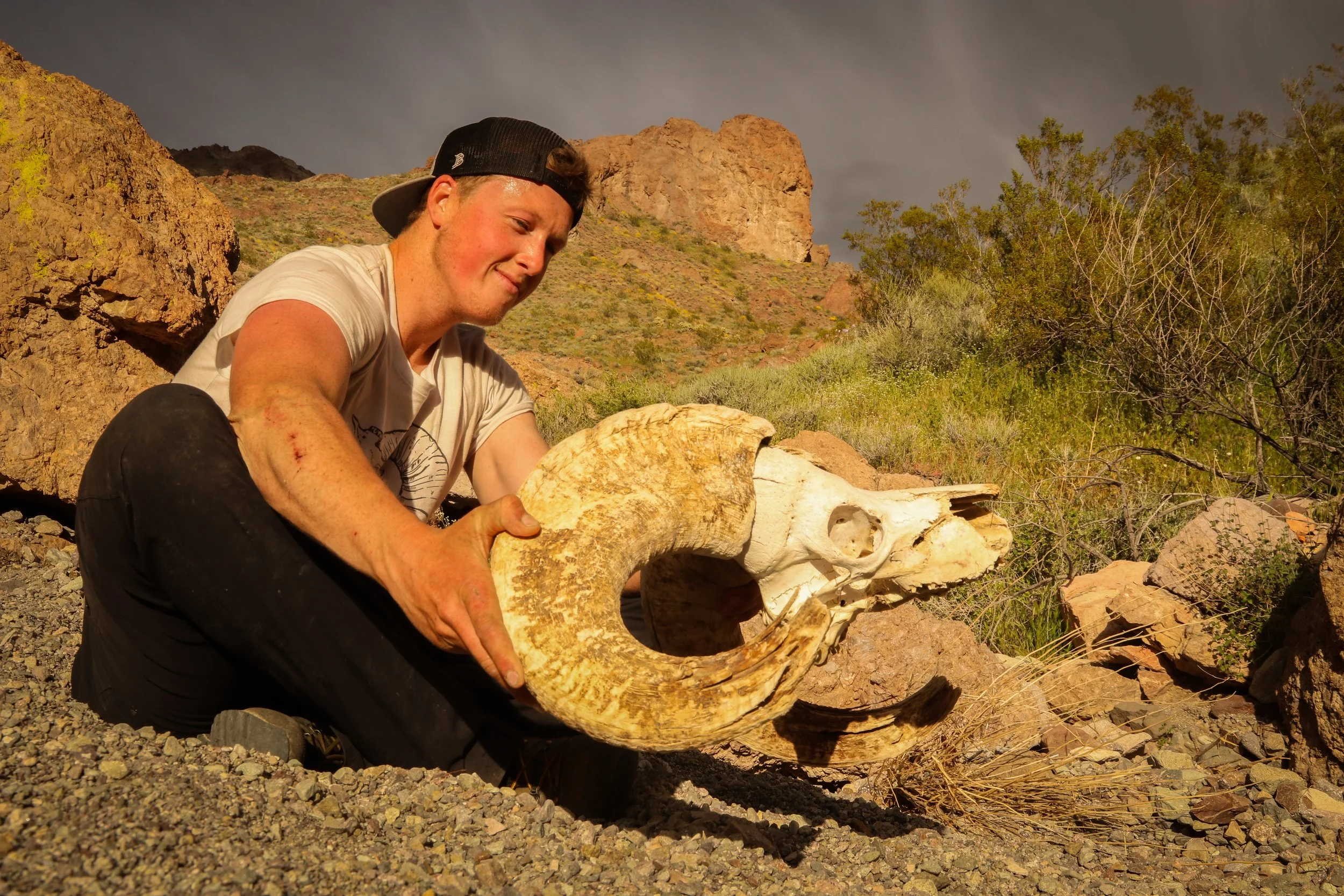
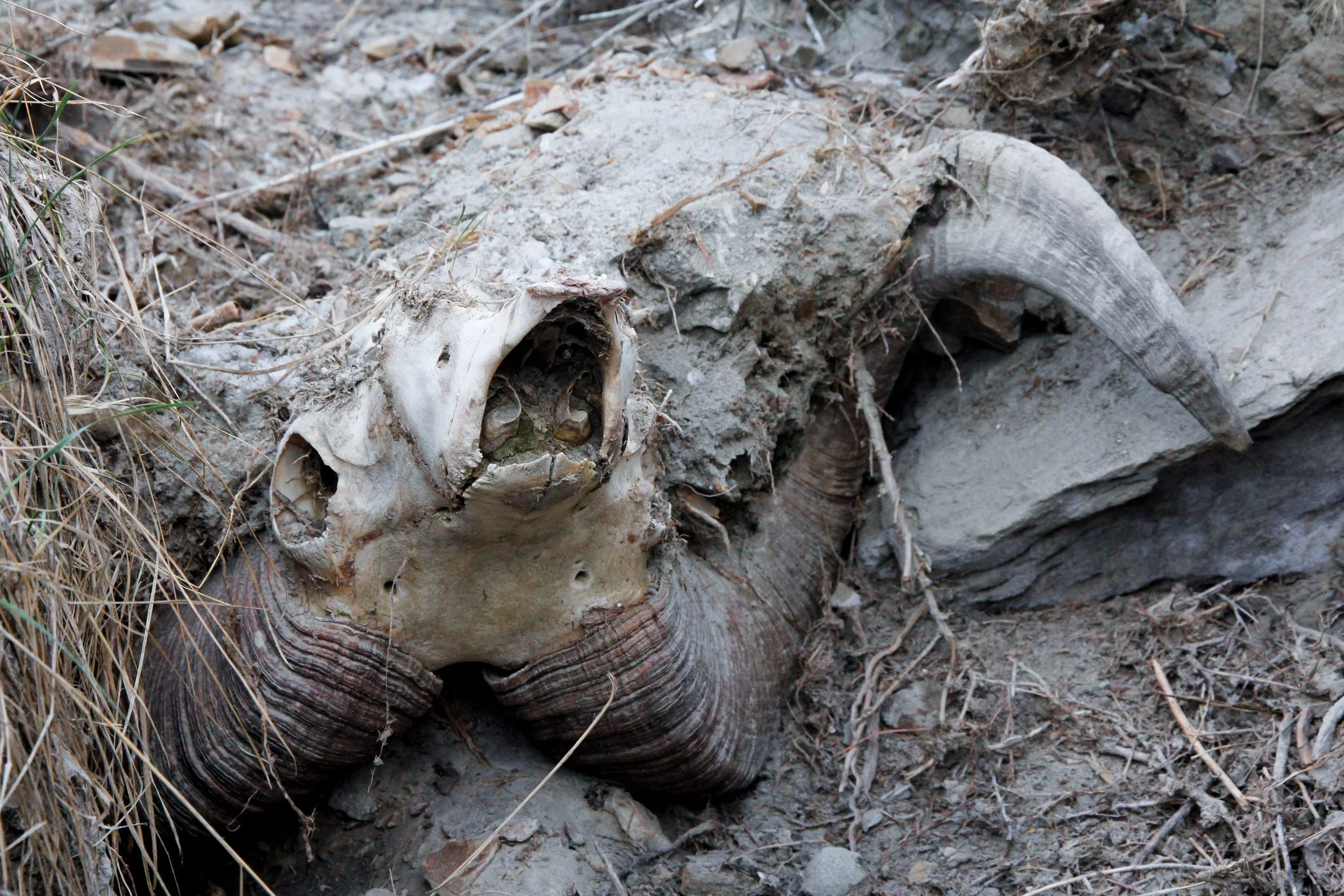
It may not be the prettiest but this ram provided me the greatest adventure and story. For 6 days I scrambled through desert canyons filled with cacti and rattlesnakes looking for sheep skulls. The terrain a sheep prefers is filled with endless slot canyons. They often require climbing gear to get through. On day three I found a single horn. Then two miles farther down the canyon a skull with no horns.
3 pieces complete the puzzle of a sheep - 2 horns and the skull. For Rocky Mountain sheep usually I find all three together - they were killed by a lion or died in winter. I find the whole animal in one spot. The desert is different.
What I had to learn over those 6 days was that flash floods rip through the canyons. They will spread the bones of a single animal over the distance of several miles. Once I fit the first horn to the skull I realized it was from the same ram. That other horn, the final piece of the puzzle, was somewhere in that 2-3 mile stretch.
I spent my final day climbing through the canyon walls and grid searching the sandy bottom for any sign of that horn. At sunset on my last day, legs tired and body dehydrated, I saw a small tip of keratin sticking out of the sand. 90% of the horn was buried. I knew exactly what it was. You can only imagine the momentary high I experienced digging it out and returning it to the owner’s skull. Unlike Humpty Dumpty, I was able to put this ram back together again.
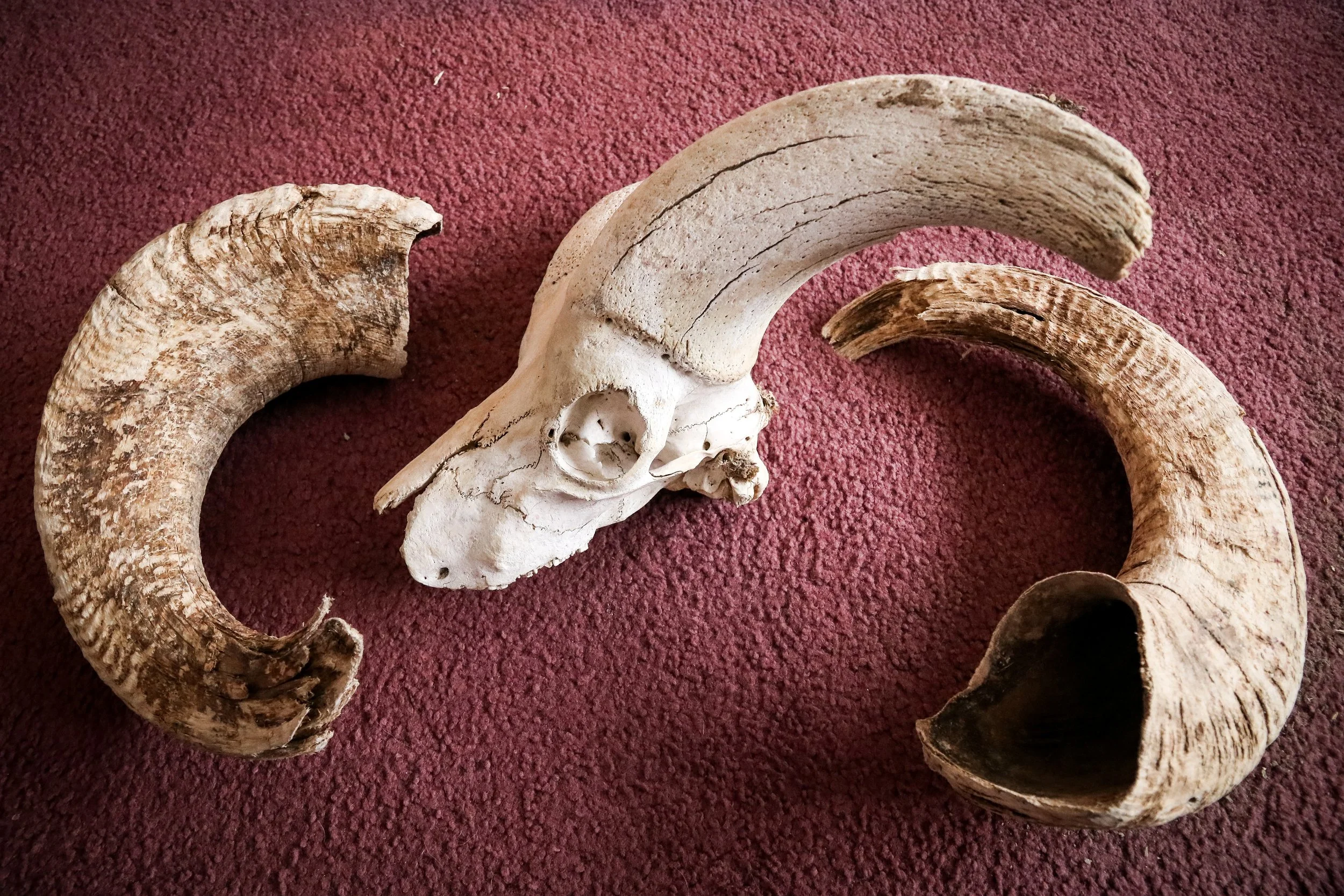
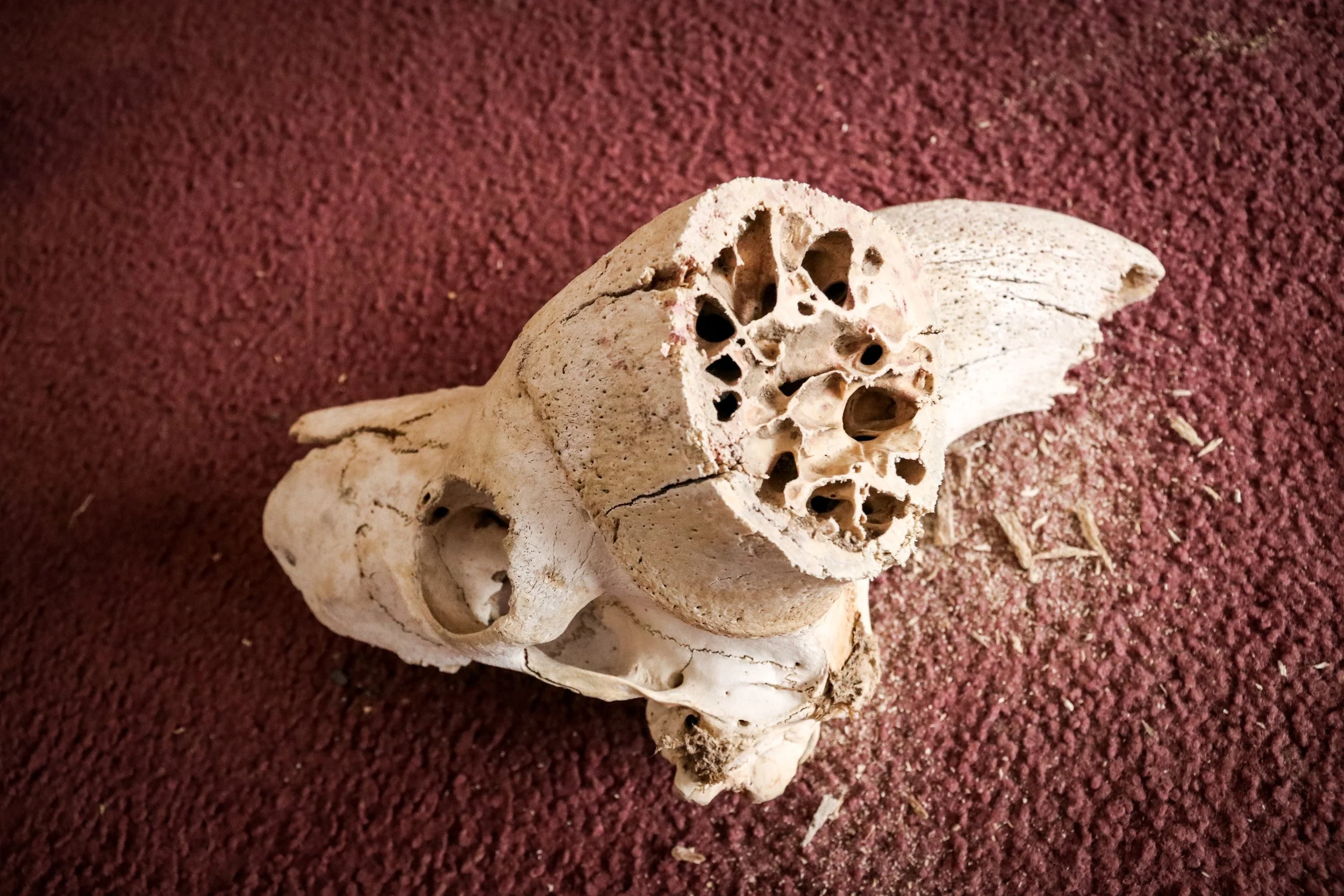
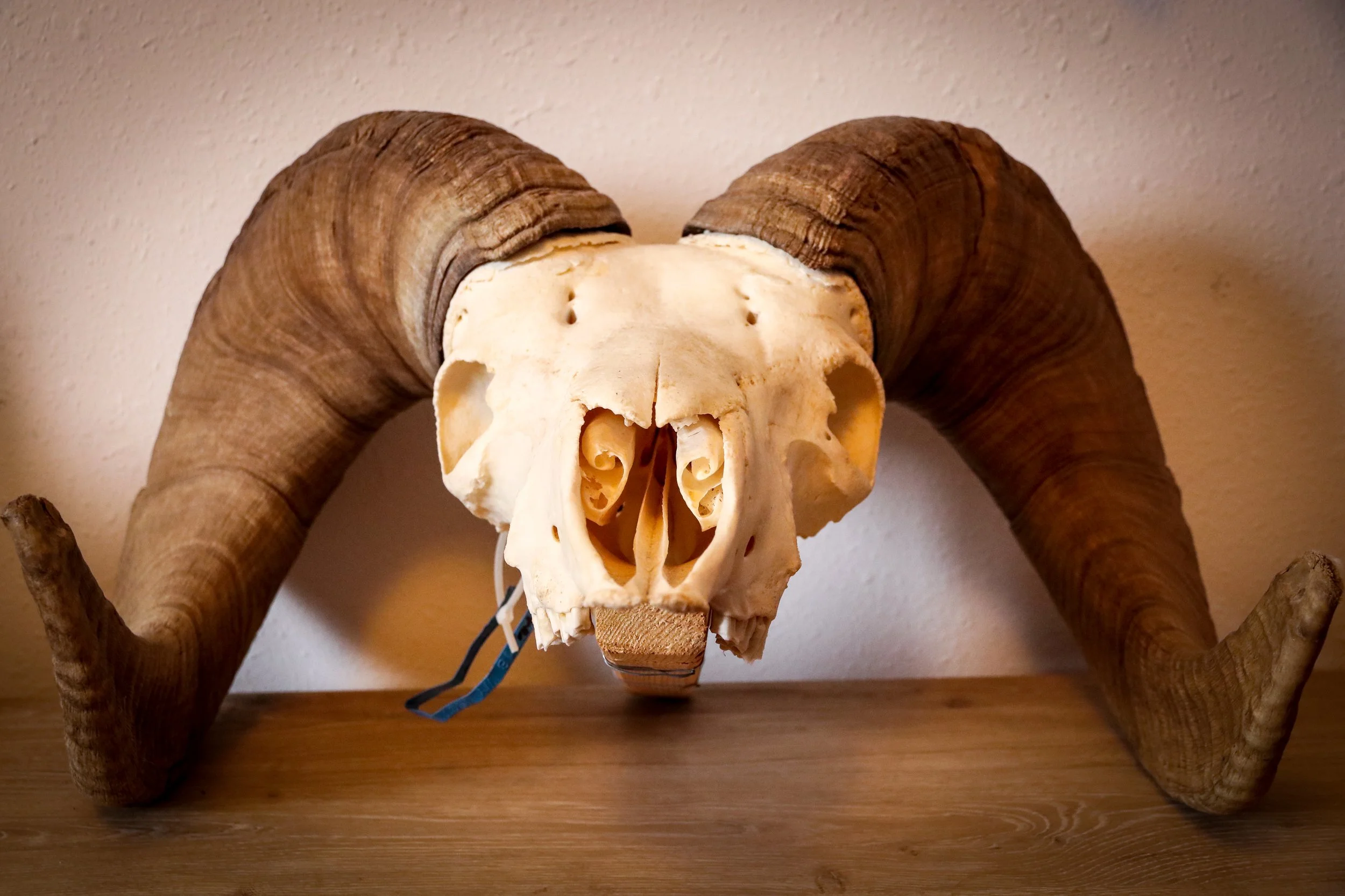
There’s one problem. Those horns spent so long in the sun detached from the skull that they warped. They no longer fit like a glove. So this week I sawed the horn bases to help them fit. It wasn’t perfect but after some epoxy this ram is finally one piece again. NOTE - how rad is it that the skulls of sheep have air pockets in them? It’s an adaptive “shock-absorber” for when they deliver powerful head-to-head blows. So tight.
There’s not enough room to keep everything you find in nature. So I keep my two favorite Rocky Mountain rams and this desert. Next to find a Dall and Stone.
My final thought for this week - SH*T HAPPENS.
I’ve mentioned before how, to enter the realm of momentary highs, we must often risk a lot. Whether it be type 2 fun, injury, embarrassment, or death, momentary highs can come at a cost. This week was a reminder of that.
We mentioned the accident in Sliver Couloir. Additionally, Tanner lost a ski at night while dropping into Tepee glacier. That is, after his feet froze to the point he couldn’t feel them for several hours. His exhausting solo trek out is one for the books. I doubt many people have descended from 12,000ft in the Tetons on one ski, plus at night. What a savage. His journey came with several falls, injuries, and serious type 2 fun. He set out for an unreal day of backcountry skiing, yet it turned into what he claims as “the worst day I’ve had in the park”.
Sadly, there’s more. A close friend tore her ACL this week. Any athlete knows how debilitating this can be. Often it requires surgery and 6-9 months of recovery. Imagine how that would affect a standard weekend warrior who maybe plays pickup basketball here and there. Now picture being an adventure addict who can’t get enough of the outdoors and needs it in her system every day.
She’s a high-level Rocky Mountain sender who enjoys everything from trail running and climbing to mountain biking and skiing. Our hearts go out to her. She’ll focus on recovery and I’m sure come back ready to rip even sooner than the doctors say.
These are the risks we take to do what we love. I’ve heard of several others in this valley who have broke legs and other major bones this season. They lost their entire winter of skiing less than a month in. But ask any of us about these risks - I’m sure you’ll get a unanimous answer that we would never sit at a desk to mitigate them.
Ok, January is almost over. Here’s to hoping February does what it should and the sky pukes on us. ULLRs in the air this week.